
 CZ
CZ EN
EN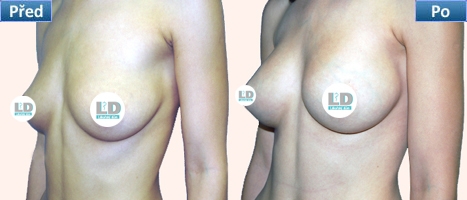
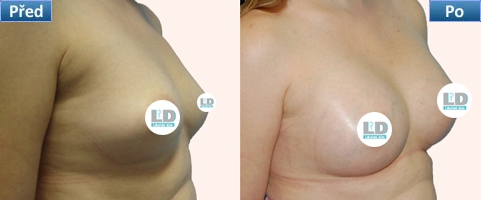
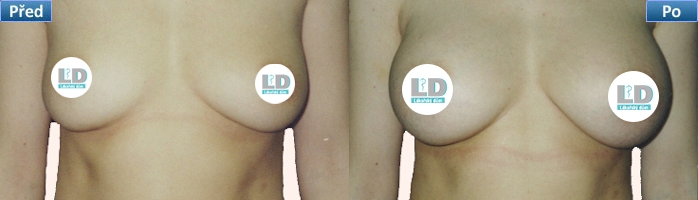
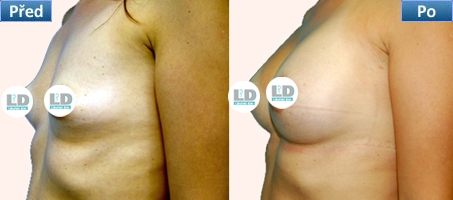
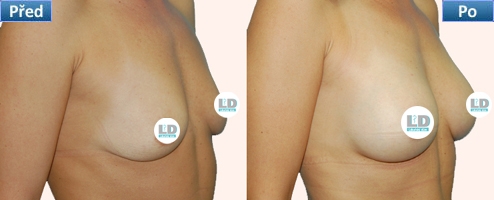
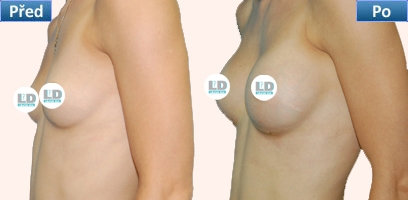
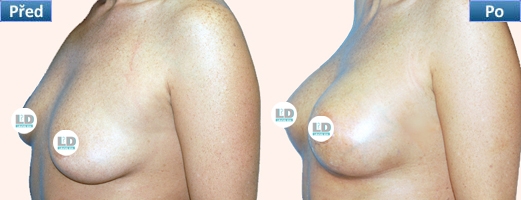
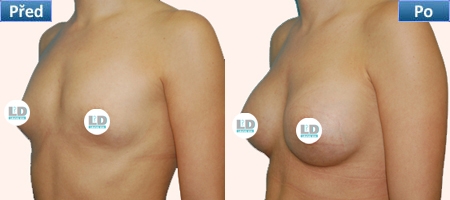
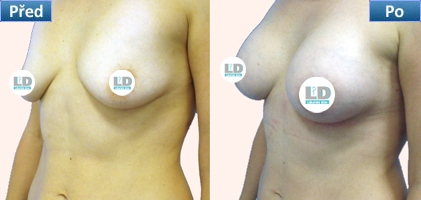
The surgery itself, which is performed at the clinic under the supervision of experienced plastic surgeons, is preceded by a consultation during which the plastic surgeon will explain the entire procedure and listen to your ideas and expectations regarding breast augmentation. Based on this, the surgeon will then recommend the most suitable implant option—one that is optimal from an anatomical perspective while also meeting your preferences in terms of size and shape as closely as possible.
Regarding implant shape, there are two types available—round and anatomical (teardrop-shaped), which mimic the natural shape of the breast. Anatomical implants are more suitable for women who desire the most natural-looking breast shape possible.
The most common implant filling is silicone gel. Implant volume varies according to the patient’s wishes and most commonly ranges between 250–400 ml. For surgery, we use only implants from renowned manufacturers such as Natrelle (formerly MacGhan, USA), Polytech (Germany), Mentor (USA), and Nagor (United Kingdom).
Methods of implant insertion:
- an incision along the lower edge of the areola, where the resulting scar lies at the color transition between two types of skin and therefore becomes very discreet
- an incision in the inframammary fold, usually about 4–6 cm long, where the scar is small but visible
- an incision in the armpit, which is a more demanding and painful approach, but leaves an almost imperceptible scar
A further distinction is made based on whether the implant is placed beneath or on top of the pectoralis major muscle. Placement beneath the muscle is more suitable for very slim or underweight patients with small breasts, as the implant creates a better contour in the upper part of the breasts. Placement on top of the pectoralis major muscle, on the other hand, provides fuller breasts and allows the patient to achieve the desired shape and volume.
The procedure is performed under general anesthesia, lasts approximately 60–80 minutes, and requires 24-hour hospitalization. Surgical recovery takes about 2 weeks, and full physical activity is possible one month after surgery. After the operation, it is necessary to observe bed rest for at least five days and to wear special compression garments for a minimum of one month. These garments help keep the implant in the correct position and reduce the risk of capsular contracture—the formation of a firm fibrous capsule around the implant, which can occur as a reaction to a foreign body and is one of the most common complications associated with breast augmentation. After surgery, it is also recommended to visit a mammology clinic once a year for breast examination.
