 CZ
CZ EN
EN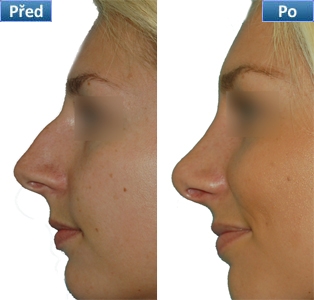
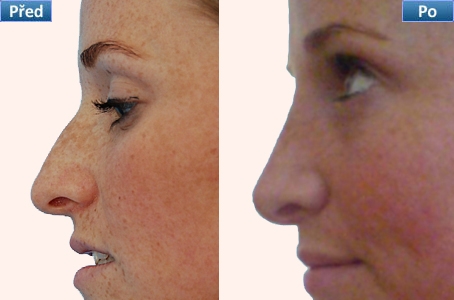
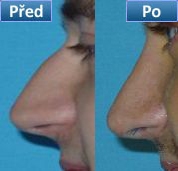
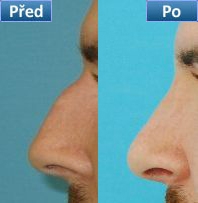
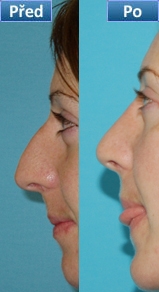
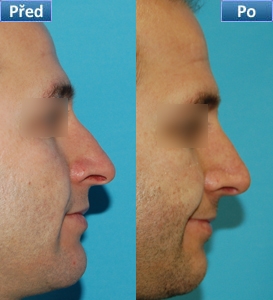
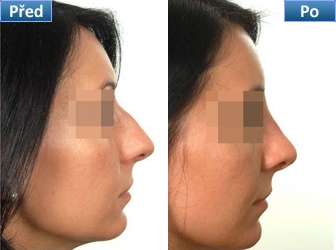
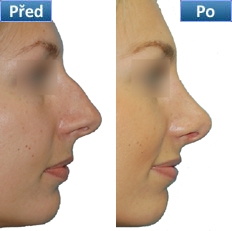
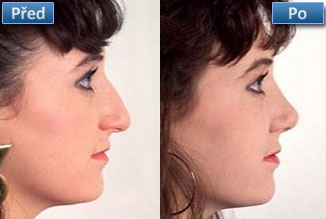
Nose surgery, known as rhinoplasty, is among the most demanding yet also the most common procedures in aesthetic surgery.
Who is the procedure intended for
The procedure is suitable for anyone who wishes to improve their appearance, but especially for those who have realistic expectations regarding the modification of their nose. Surgery should not be performed before an individual’s growth and development are complete. In men, this is usually around the age of 18; in women, it may be earlier, around 16 years of age. A good surgical outcome also depends on the elasticity and type of nasal skin. Adequate skin elasticity is typically present up to around the age of 40, although this is highly individual and does not mean that surgery cannot be performed later. The specific skin type of the nose affects healing and subcutaneous scarring. Oily, thick, and porous skin—especially at the nasal tip—always carries a higher risk of more pronounced subcutaneous scar tissue and reduced adaptability to the new nasal shape.
Before the surgery
The first important step before the operation itself is a consultation with an experienced plastic surgeon, who will explain everything in detail and recommend the most appropriate approach. In particular, patients must be informed about the potential change in facial expression, which many do not fully realize. The next step is a preoperative examination to determine whether the patient is medically fit to undergo the procedure.
The surgery itself
The procedure is usually performed under general anesthesia (with the exception of minor corrections to the soft parts of the nose, which can also be carried out under local anesthesia). The surgery is performed through incisions inside the nostrils, which means that no external scars remain. For this reason, it is a complex operation, as the surgeon works “blindly,” relying solely on experience and tactile feedback. During the procedure, the soft tissues of the nose, cartilage, and nasal bones are released and reshaped. The operation typically lasts 1 to 2 hours. Nasal correction is completed by fixing the nose with a plaster splint and nasal packing.
Postoperative care
After surgery, the patient is hospitalized at the clinic for one to two days, depending on the extent of the procedure. The nasal packing is removed after 2–3 days; during this time, the patient must breathe only through the mouth. During the first week, a rest regimen is recommended, along with frequent cold compresses on the eyes and adequate fluid intake, as the oral mucosa tends to dry out quickly. Swelling of the eyelids and subcutaneous bruising are part of the normal postoperative course and usually resolve within 2–3 weeks. For the first 10 days after removal of the nasal packing, blowing the nose is not recommended; instead, the nose should be gently cleaned several times a day using moist cotton swabs. On the 5th to 7th day after surgery, the plaster splint is replaced. It is removed on the 14th day after surgery and then applied at night for an additional month. A sensation of nasal congestion may persist for a longer period due to swelling of the nasal mucosa. Minor swelling can last for weeks to months. Nasal healing is a long-term process, with full stabilization of the operated nose occurring approximately one year after surgery. However, this relatively lengthy healing process does not exclude the patient from normal daily life. You may return to your usual daily and work routine after removal of the plaster splint, and sports or greater physical exertion are then possible.
